How OQIVAL Global Delivery Backs Local After-Sales and the Three-Year Warranty
A practical view of how factory configuration, shared parts and a written delivery sequence decide whether a three-year warranty still holds in a regional market.
An importer comparing hyperbaric chamber suppliers can price a unit and read a spec sheet in an afternoon. Verifying the three years that follow takes far longer. Once a chamber lands in a regional market, installation, spare parts, fault diagnosis and brand identity all fall to the agent. Any one of those links breaks, and the warranty is reduced to a clause in a contract. OQIVAL designs delivery capability as after-sales capability, and the starting point sits on the production line rather than in a support inbox.
Three formats share one production line, so spare parts converge
The current range covers hard-shell, portable and multi-place chamber formats, with the split 2.0ATA hyperbaric oxygen chamber as the newest model. All of them come off the same line.
For a regional agent, that structure determines how complicated the parts system gets. An agent does not need a separate stock list and training script for every model; door seals and control modules sit on one shared list. Fewer part categories mean less capital tied up in a regional warehouse and less downtime waiting for a delivery.
Importers rarely lose money on the price of a part. They lose it on the wait. Parts commonality across one line pulls that wait into a range an agent can plan around.
It also simplifies how a claim gets handled. When three formats share hardware, an agent's service technician can diagnose a fault from one set of reference points instead of three, and a newly hired technician reaches competence faster. Training cost is a line item that rarely appears in a quotation and almost always appears in the first year of an agency.
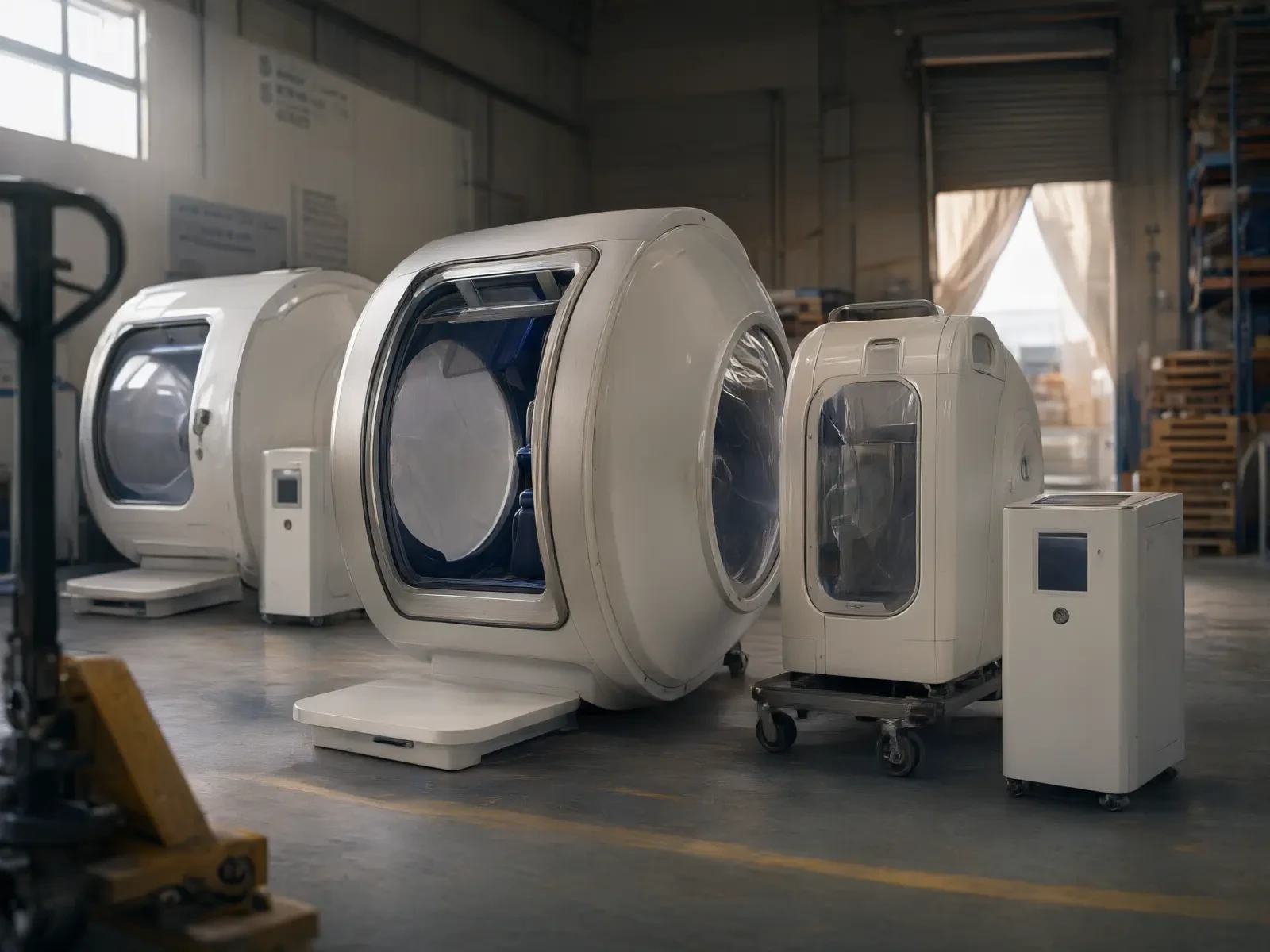
Three chamber formats standing side by side in a factory finished-goods area
Factory configuration sets the boundary of local service
The split 2.0ATA model ships with a high-strength 304 stainless steel hull, a 15-inch external display with a built-in Android entertainment TV, a one-metre window, a massage sofa, a standard BIBS oxygen system and a phototherapy device. It ships globally, factory-direct, with a three-year warranty.
Because that configuration is integrated before the unit leaves the factory, the local stage loses a rebuild step. Most after-sales disputes do not start with a component failing. They start when a chamber does not match the installation conditions or the way a clinic actually uses it. Configuring at the factory keeps that variable on the manufacturing side, and leaves the agent with handover and routine maintenance.
This is the detail importers skip when they audit a supplier: the more complete the shipped specification, the cleaner the line of responsibility can be drawn. A chamber delivered as a finished product lets the agency agreement state plainly which failures are manufacturing faults and which belong to installation or operation. Without that split, every claim turns into a negotiation.
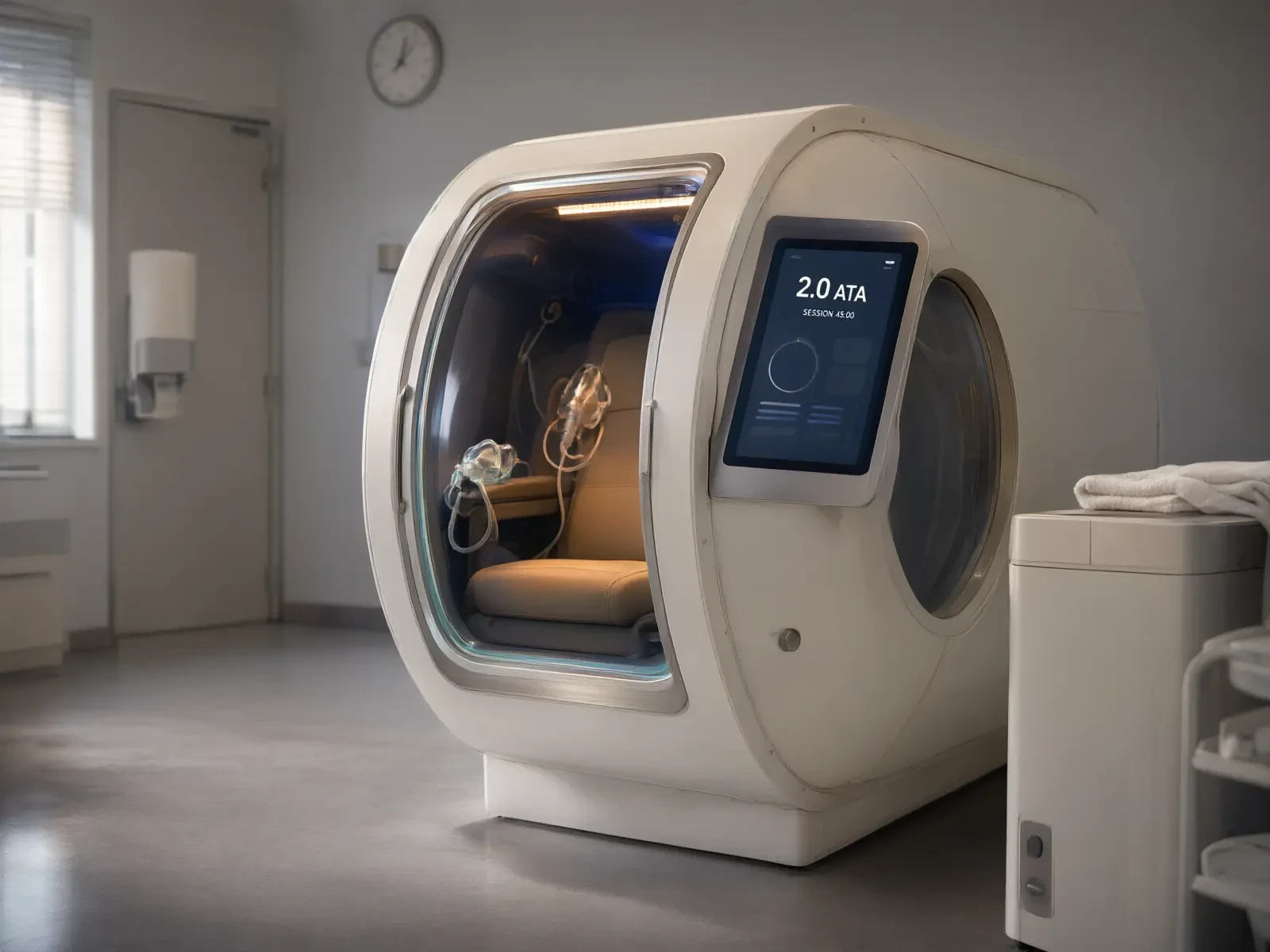
Split 2.0ATA chamber in a treatment room, one-metre window and external session display facing camera
Global delivery and private label carry the same standard
OQIVAL runs OEM/ODM and private-label programmes. Partnership models cover wholesale, regional agency and the agent's own brand, and the support package adapts to whichever one is chosen. Most partnerships begin with a single chamber format in a single market.
Configuration sign-off is the node that matters. Our export team confirms chamber format, oxygen system and brand identity with the agent at order stage. Once that is settled, what ships is the agent's product rather than a generic unit needing a second round of work. Locking brand identity early also means manuals, marketing material and after-sales scripts can be written to one standard instead of being rewritten locally.
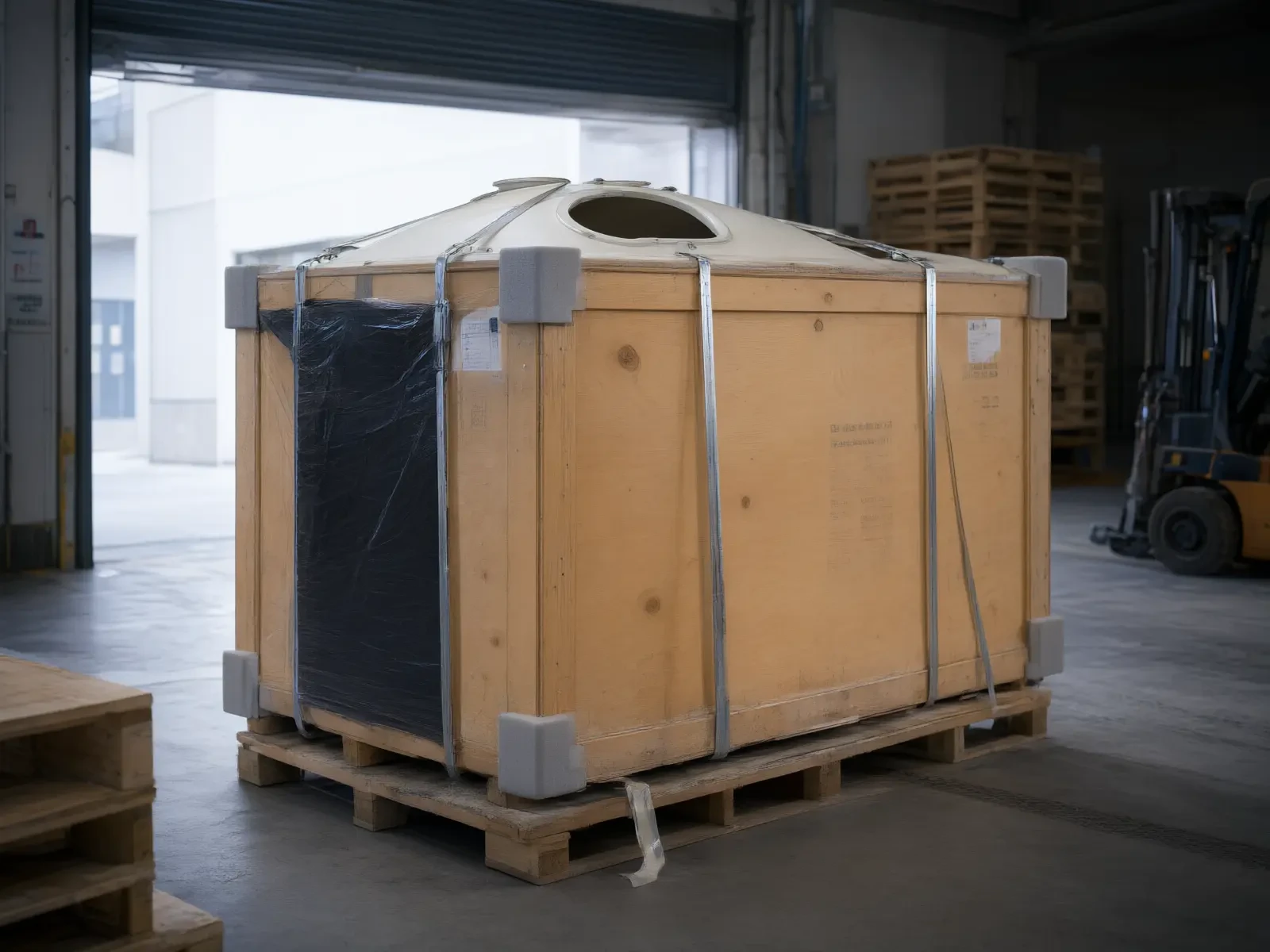
A crated chamber strapped and palletised at the dispatch bay
The delivery sequence an agent should map before signing
Door-to-door shipping covers the movement of the unit. What an agent still needs on paper is the sequence around it: who confirms the configuration and when, how the chamber is packed for sea or air freight, and which document travels with the unit so the receiving side can check it on arrival.
An importer running several markets will notice the pattern quickly. The first order is where ambiguity is most expensive, because the agent has no local reference yet for what a correct shipment looks like. Getting the confirmation step and the packing standard written into the first order sets the template for every order after it.
What a three-year warranty actually depends on
Writing three years into an agreement is easy. Honouring it in year three depends on parts arriving on time, and on how fast a fault gets diagnosed and who owns the boundary of responsibility.
Before signing, an agent should settle two questions. First, what the spare-parts list and supply cycle commit to. Second, who leads remote fault diagnosis, and which cases of human damage fall outside warranty cover. Put those answers into the agency agreement, and the warranty becomes a cost that can be budgeted instead of a promise made to end customers.
A useful test before signature is to run one imagined claim end to end: a chamber in a regional clinic stops holding pressure on a Saturday, and someone has to decide within hours whether it is a seal, a valve or operator error. If the agreement cannot answer who is called, who pays for the part and how long the replacement takes to arrive, the three years are still unquantified.
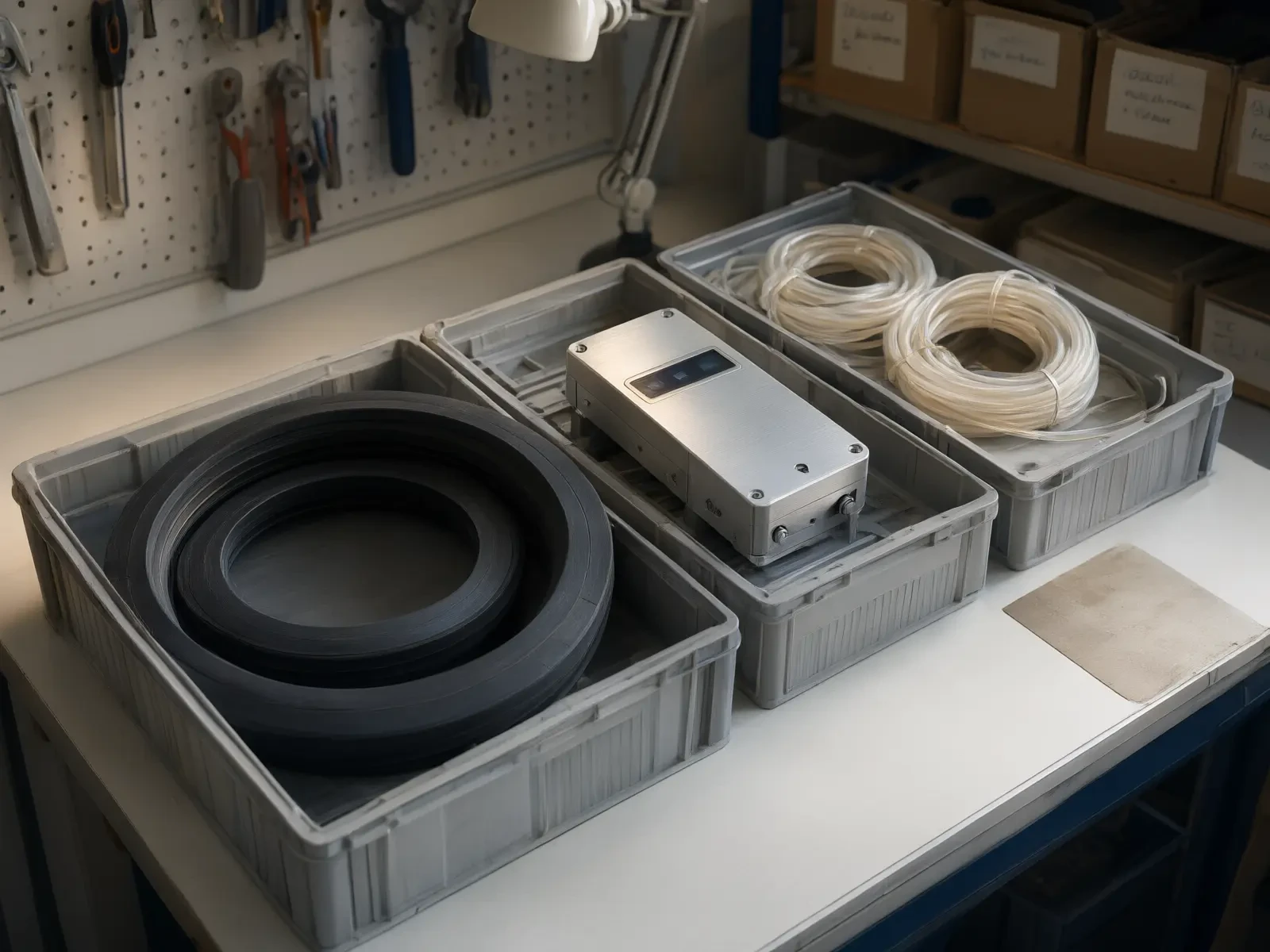
Door seal rings, control modules and oxygen tubing laid out in partitioned spare-part crates
Where the ceiling comes from
Model range and partnership model set the ceiling on after-sales; the delivery system decides whether that ceiling holds. An importer negotiating regional rights is better served by reading the supplier's production line and parts logic before discussing price, because those two determine what the warranty costs to keep.
Details on customisation and partnership terms are handled directly by our export team on WhatsApp.
Specifications are confirmed per quotation. Applicable scope follows the equipment registration and certificates actually held.